Less Talk, More Action: Cut Through the Noise of Endless Meetings
The average employee attends 62 meetings a month and considers half of them wasted. There's a better way.
Less Talk, More Action
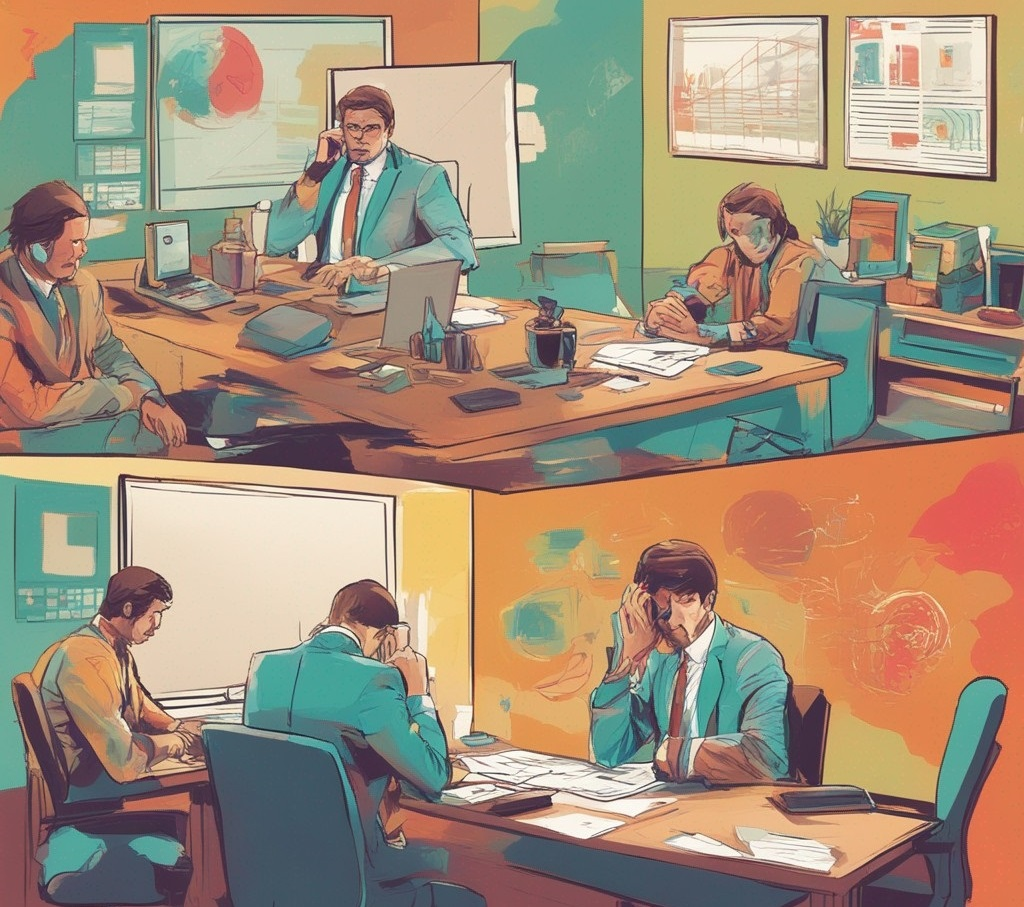
Imagine this: You’re in a meeting room or Zoom call, listening to the discussion, but you can’t help but glance at your mounting list of tasks. You’re thinking about the code you could be debugging, the document you could be drafting, the designs you could be reviewing. The conversation meanders past the scheduled time, there’s still no concrete action items or documented decisions, and you leave with a lingering sense of uncertainty about what the actual outcome was.
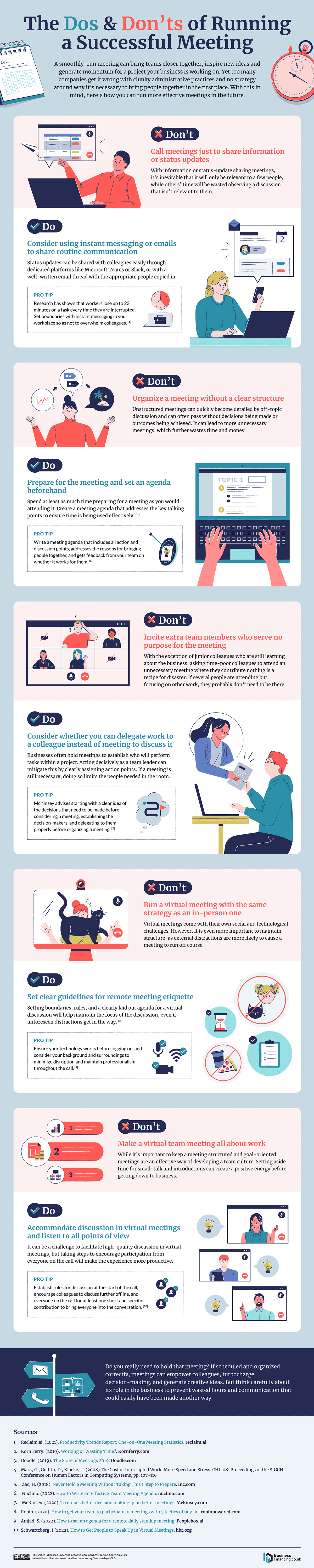
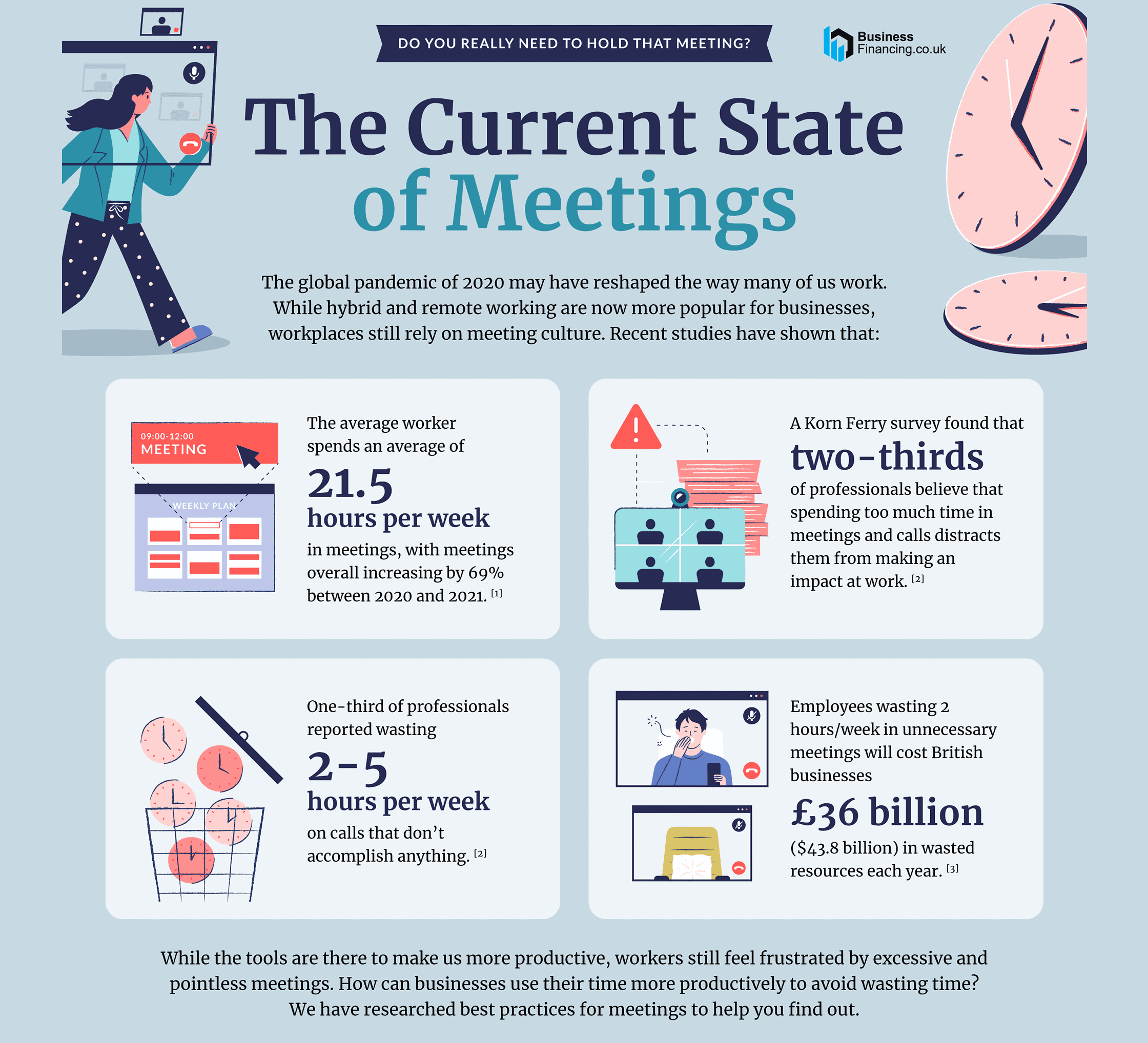
Sound familiar? It should. According to Atlassian, the average employee attends 62 meetings a month and considers half of them wasted. That’s 31 hours of your month gone, with nothing to show for it.
Meetings have become the default mode of communication. But default doesn’t mean optimal. Too many meetings lead to wasted hours, declining productivity, and a slow drain on your team’s capacity to do actual work.
The Hidden Costs
Meetings are important. They bring teams together and foster collaboration. But even too much of a good thing can turn sour. And the costs go far beyond the obvious ones.
Every meeting costs more than its calendar slot. There’s prep time, the mental switching cost of moving from focused work to a meeting and back, and the recovery time to regain flow afterward. A one-hour meeting with five team members costs five work hours total. When you start quantifying meetings this way, you have to ask: is the return on that time investment actually worth it?
Meetings require mental and emotional energy too. Back-to-back calls leave people exhausted, tanking productivity for the rest of the day. This is especially true for introverted team members who find constant social interaction taxing. The phenomenon of Zoom fatigue during the pandemic made this impossible to ignore, but it was always true. Every hour spent in a meeting is an hour not spent on strategic planning, research, execution, or creative work. The lost opportunities often far outweigh the tangible outcomes, especially when meetings lack sufficient planning.
But even that understates it, because excessive meetings don’t just drain time and energy. They quietly degrade how your entire team functions.
More meetings means more decisions. Every decision, big or small, requires mental effort. Just as muscles tire with use, so does our decision-making capacity. The constant need to make decisions during meetings leads to decision fatigue, where decision quality deteriorates over a long session. By the fourth meeting of the day, you’re not making good choices anymore. You’re just trying to get through it.
Too many meetings can also create a groupthink mentality, where unique perspectives get suppressed in favor of conformity. The urge to agree and the aversion to dissent stifle innovation, limit diverse perspectives, and sometimes lead to costly mistakes. The meeting room becomes an echo chamber where the loudest voice wins and the best idea often stays unspoken.
And if nothing gets written down, valuable ideas and decisions vanish as soon as the meeting ends. Our memories are fallible. Without a written record, discussions get misremembered or forgotten entirely. This matters especially in software development, where initial design decisions often have ripple effects throughout a project’s lifespan. A minor oversight in choosing the right architecture, discussed once in a meeting that nobody documented, can result in major costs later when the system needs restructuring.
The Maker’s Problem
For roles requiring concentration and deep thinking (programming, writing, design), meeting interruptions don’t just slow you down. They fundamentally change the kind of work you can do.
Consider Maker’s vs. Manager’s Schedule, Paul Graham’s often-referenced essay. Managers operate on a schedule filled with hourly shifts in focus. Switching tasks every hour doesn’t dent their productivity. That’s how their work gets done. But makers thrive on large, undisturbed chunks of time. Their work requires getting into flow state and staying there.
Trying to fit these distinct schedules together is where chaos ensues. A single meeting can fragment a maker’s entire day. It’s not just the hour in the meeting; it’s the hours on either side that become unusable for deep work. You can’t get into flow for 45 minutes, break for a meeting, and then get back into flow immediately after. The result is a cascading decline in productivity and morale, with makers feeling their day being hijacked by sporadic interruptions. What could have been a day of deep, meaningful work becomes a day of shallow tasks squeezed between context switches.
Since most influential people in a company are typically on the manager’s schedule, makers often feel pressure to accept this fragmentation without pushing back. The implicit power dynamics make it hard to say no when your boss wants a “quick sync.” But the cost is real: reduced output, lower quality work, and mounting frustration. The best makers start looking for environments where their time is respected.
The Case for Writing First
Writing changes the dynamic entirely. When you have to put thoughts into words, there’s a necessity to pause, think, and articulate clearly. This leads to more thorough, well-considered contributions. The act of writing promotes reflection in a way that speaking off the cuff simply doesn’t. Clear writing reflects clear thinking, and forces it too.
A written-first approach means important decisions and strategies are clearly laid out, reducing the misunderstandings that verbal communication often creates. When someone writes a proposal instead of pitching it in a meeting, they have to think through the details, anticipate objections, and structure their argument. The result is higher quality input from everyone, not just whoever speaks loudest or thinks fastest on their feet.
Writing is also asynchronous: exchanging information without expecting an immediate response. This enables team members to process information more deeply, work during their most productive hours, and minimize interruptions. When team members trust they can catch up on discussions in their own time, there’s less pressure to be constantly “plugged in” and more time for deep work. In a world embracing remote work, this ensures team members across different time zones can engage with content. Everyone, regardless of location or schedule, gets included in crucial conversations.
In typical meetings, louder voices overshadow discussions. A written-first approach changes this dynamic by creating a flatter structure where everyone has the chance to contribute. Those who hesitate to voice opinions in bustling meetings, whether due to introversion, language barriers, or organizational hierarchy, can still share their perspectives. Writing also acts as a buffer against groupthink by giving individuals time to process information and articulate their thoughts without the immediate pressure of conforming to a dominant viewpoint.
And unlike the contents of a meeting, written communication is permanent and accessible. It provides an accurate record that can be referenced at any time, ensuring everyone is on the same page and maintaining accountability. Teams can go back and understand the reasoning behind decisions, creating a valuable resource for onboarding new team members, reviewing strategies, and avoiding past mistakes. Documents today are living entities that can be edited, updated, and expanded upon. What begins as a simple draft can evolve into a comprehensive guide, enriched with contributions from various team members over time.
Principled Communication
When companies lean toward written communication, quality matters as much as quantity. Clear, effective writing reduces ambiguities and misinterpretations. Poorly written documentation can be just as wasteful as poorly run meetings.
Philosopher H.P. Grice articulated four conversational maxims that, while originally intended for spoken communication, are essential for effective writing:
Quantity: Provide the right amount of information, no more, no less. Be concise. Share just enough to be clear, not so much that it overwhelms. Avoid excessive jargon or verbosity. If you can say it in two sentences, don’t use four.
Quality: Ensure what you communicate is true and has evidence. Base statements on data or reliable sources. All statements, especially in formal reports, should be verifiable. Unfounded claims erode trust and lead to bad decisions.
Relevance: Only include information that matters to the topic at hand. Every sentence should serve the document’s primary objective. If you’re drafting a report on quarterly sales, avoid veering into unrelated areas. Tangents dilute your point and waste your reader’s time.
Manner: Structure is crucial. Be orderly and avoid ambiguity. Use headings, bullet points, and clear sentences. If a statement can be interpreted multiple ways, rephrase it until there’s only one possible reading.
Applied together, these maxims ensure information is precise, trustworthy, relevant, and easy to understand. This reduces costly misunderstandings, streamlines operations, and fosters trust among stakeholders. When everyone writes with these principles in mind, the quality of organizational thinking improves dramatically.
Companies That Do This Well
The written-first culture isn’t theoretical. Companies like Stripe, Basecamp, and GitLab have embraced this approach and made their documentation public.
GitLab stands out. Their extensive company handbook is publicly available online, with over 2,000 pages detailing everything from company vision and values to specific operational guidelines. It’s a testament to the power of written documentation in ensuring clarity, alignment, and transparency. New employees hit the ground running with access to this reservoir of knowledge, while stakeholders get an in-depth understanding of the company’s processes. There’s no “you had to be in that meeting to understand” because everything that matters is written down.
Making the Shift
Lead by example. Instead of spontaneously calling meetings, send detailed emails or memos outlining your thoughts. Encourage team members to craft well-thought-out written communication instead of hastily typed messages. If a meeting is necessary, ensure it begins with a written agenda and everyone arrives having read it. Post-meeting, document the key decisions and the reasoning behind them.
Establish clear guidelines. Create a handbook on when written communication is preferred over meetings. Updates, status checks, and sharing routine information can be better served through written channels. Make this explicit so people don’t default to scheduling calls out of habit.
Create templates. Give teammates a starting point with sample documents and templates that other teams can use as inspiration for their own documentation. This lowers the barrier to good written communication.
Allocate no-meeting days. Designate specific days as meeting-free, allowing team members to focus on deep work and communicate through written channels. Even one or two no-meeting days per week can dramatically improve output quality.
Celebrate success. Identify and champion team members who excel at written communication. By recognizing their expertise, they can help guide and establish a robust writing-first culture.
Build feedback loops. After drafting important documents, seek feedback. What’s clear to the writer might be ambiguous to the reader. Regular feedback helps identify and close these gaps.
Review for substance, not ceremony. Written communication should sharpen thinking, not create another layer of process. Focus feedback on assumptions, decisions, risks, and clarity. When review cycles devolve into performative line edits or endless bikeshedding, the team has simply recreated the meeting problem in document form.
Invest in training. Writing is a skill that can always be improved. Encourage your team to write down ideas before reaching for meetings. Workshops or training sessions on effective writing can elevate the quality of communication across the board.
Encourage open dialogue. Some team members may be resistant to change or find the transition challenging. Address their concerns and offer solutions to make the shift smoother.
Track and adapt. Implement a system to measure the number, duration, and outcomes of meetings. After a few months, gather feedback on the new approach and address any challenges.
The Tradeoffs
While there are clear advantages to a written-first culture, no approach is perfect. Written communication may lack the warmth of face-to-face conversations, so schedule regular team bonding sessions or casual video calls focused on relationship-building, not just tasks. Without vocal intonation and body language, written words can sometimes be misinterpreted, so promote clear language and encourage people to seek clarification when in doubt.
With everyone documenting and sharing, there can be an information overload. Implement clear content structuring, use tagging and hierarchical systems, and periodically archive outdated materials. Non-native English speakers might find it challenging to articulate complex ideas in writing, so offer language support and foster patience and understanding.
Written communication also doesn’t provide the immediate feedback that a face-to-face conversation does. Ideas might stagnate, and innovation could slow down if people are waiting days for responses. Establish a culture of prompt replies on critical discussions and use tools that notify team members of important updates.
And sometimes you genuinely need real-time discussion. Recognize when synchronous communication is more efficient and establish clear guidelines on when to opt for meetings versus written communication. The goal isn’t to eliminate meetings entirely. It’s to use them judiciously and supplement them with robust written communication.
Finding the Balance
Meetings are essential for fostering personal connections, brainstorming complex problems, and discussing sensitive issues. The key is striking a balance. Use meetings judiciously and make sure they earn their place on the calendar.
If you must meet, include an agenda beforehand so all participants can prepare. Ensure decisions made, including the reasoning behind them, are clearly documented by the end. A meeting without documentation is a meeting that will need to happen again when everyone forgets what was decided.
It’s time to reconsider the paradigm that equates meetings with progress, and explore working in a more structured, methodical manner. The real question isn’t where work happens. It’s whether your team can communicate clearly enough to keep moving without constant interruption.
Every meeting has a cost. Make sure it’s worth it.